Motor Speech Intervention | Clinical Reasoning | Treatment Progression
Professional Education with Renee Roy Hill
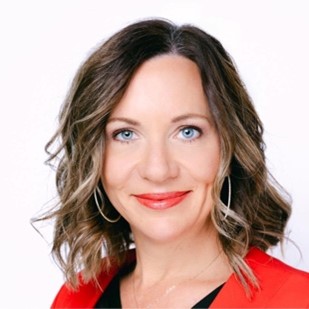
Renee Roy Hill, MS, CCC-SLP
When One Approach Isn’t Enough
I don’t believe one approach works for every child. I believe understanding why a child is struggling helps us choose what to do next.
Throughout my career, I’ve worked with children whose speech difficulties don’t fit neatly into one diagnosis or treatment approach. Some have childhood apraxia of speech along with additional developmental, sensory, or motor challenges. Others struggle to initiate vocalizations, coordinate movements, or sequence sounds into words for reasons that extend beyond a diagnosis of apraxia.
These are the children who have shaped much of my clinical work and the treatment program I’ve developed over the years.
I’ve learned that knowing a technique isn’t the same as knowing when to use it, why you’re using it, or what to do when it isn’t working.
My teaching focuses on both: specific treatment techniques and the clinical reasoning needed to use them effectively.
I want clinicians to recognize what a child can do, understand what may be limiting progress, and know how to build from those abilities toward functional speech.
The goal isn’t to replace what you’ve already learned. It’s to help you connect the pieces and make more informed treatment decisions.
Signature Program
The Motor Speech Master Series
Building Speech from the Ground Up
A systematic treatment program for children with complex motor speech challenges.
In DevelopmentThe Motor Speech Master Series is the foundation of my professional education platform.
Developed through years of clinical practice, this comprehensive program teaches clinicians the specific techniques, cueing strategies, treatment activities, and progressions I use to help children develop increasingly complex speech movements.
We begin by understanding the child’s current abilities and identifying the skills that may be limiting speech development. From there, we work through a structured progression that supports movement, sound production, motor planning, sequencing, and functional communication.
But this isn’t about following the same sequence with every child.
Many of the children I work with have CAS along with additional challenges—or motor speech difficulties associated with other developmental or neurological conditions. These children often need more than one treatment approach.
My program draws upon years of clinical experience, established treatment principles, and techniques influenced by the work of other clinicians. Approaches such as DTTC, K-SLP, and PROMPT provide valuable strategies. Understanding where those strategies fit within an individualized treatment plan is an essential part of my teaching.
You’ll learn what to do, why you’re doing it, how to recognize progress, and when it’s time to move forward or change direction.
The Motor Speech Master Series is currently in development. Details will be shared here as the program becomes available.
Start Learning with Me
Flippin’ Funetics
A practical introduction to movement-based speech intervention.
Flippin’ Funetics is a two-hour recorded presentation I developed specifically for TalkTools to help therapists and parents understand some of the principles behind my approach and learn how to use my book.
Through demonstrations and practical explanations, I introduce techniques for shaping early speech sounds, using supportive cues, and helping children move toward more intentional speech production.
It’s an opportunity to explore some of the techniques and clinical thinking that have shaped my work.
Explore Flippin’ Funetics at TalkTools → (opens in a new tab)
Additional Courses & Clinical Resources
I continue to teach and develop educational resources through TalkTools while expanding my own professional education platform. Explore selected courses and materials:
Additional courses and resources will be introduced as the educational platform develops.
The Philosophy Behind My Teaching
Understanding the Why Behind the What
One of the biggest challenges in treating complex motor speech disorders is knowing where to begin.
When a child isn’t vocalizing, cannot imitate a sound, or struggles to move from one sound to the next, we need to understand what’s happening before deciding how to intervene.
I encourage clinicians to ask:
- What can this child already do?
- Which underlying skills may be limiting speech?
- What am I trying to change with this activity?
- What type of cueing or support does this child need?
- How will I know when it’s time to progress?
- How do I help the child use that skill in functional speech?
These questions are central to THE BRIDGE™ philosophy.
- Observe
- Identify
- Build
- Bridge
- Generalize
THE BRIDGE provides a framework for thinking through the relationship between movement, skill acquisition, speech production, and generalization. It doesn’t replace established treatment approaches. It helps us think more carefully about how we select, sequence, and apply interventions based on the individual child.
Speech is movement before it becomes language. Understanding that movement helps us build a more thoughtful path toward communication.
When You Need Another Perspective
Individualized Mentoring & Clinical Consulting
Sometimes therapy isn’t progressing as expected. You may have tried several techniques, completed specialized training, or worked with a child for months and still feel uncertain about what to do next.
I offer individualized clinical mentoring and consulting for speech-language pathologists who want help thinking through challenging cases. Together, we can examine clinical observations, discuss potential underlying challenges, review treatment strategies, and determine appropriate next steps.
My goal isn’t simply to give you another activity to try. It’s to help you understand what you’re seeing and feel more confident about your clinical decisions.
Speaking & Professional Training
Bringing Clinical Reasoning into the Treatment Room
I’ve had the opportunity to teach clinicians nationally and internationally through conferences, workshops, courses, and professional training.
My presentations focus on making complex clinical concepts understandable and helping therapists translate what they learn into practical treatment decisions.
Topics include motor speech development, complex speech disorders, oral placement therapy, cueing, treatment progression, and the relationship between foundational abilities and functional outcomes.
I welcome opportunities to present at professional conferences, provide specialized workshops, and collaborate on educational programs.
From Teaching to Clinical Application
THE BRIDGE Speech Studio™
Currently in DevelopmentI’m also developing THE BRIDGE Speech Studio™, a digital resource designed to help clinicians support motor speech practice and treatment progression.
The goal is to make it easier to connect carefully selected speech targets, appropriate cues, repetition, and individualized practice within a structured treatment plan.
Let’s Keep Learning Together
Whether you’re exploring a course, working through a challenging case, or looking for a more systematic way to approach motor speech treatment, I hope you’ll find resources here that help you think differently about the children you serve.
Because knowing more techniques is valuable. Understanding why and when to use them is what makes those techniques meaningful.